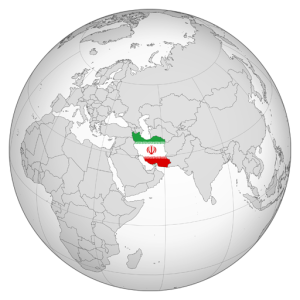
The confrontation between Iran and the West has never been merely a political or economic dispute. At its core, it represents a collision between two competing worldviews: one founded upon materialism, consumerism, and hegemonic dominance; the other grounded in monotheism, justice, and human dignity.
In this issue, we seek to examine what we describe as Iran’s civilizational challenge to the prevailing Western order. Our central argument is that genuine power is not measured by unprecedented military expenditures, but by the fusion of faith and collective will. From this perspective, Iran’s foreign policy reflects what may be termed Divine Realism—a strategic doctrine in which global justice is regarded not as a distant ideal, but as an attainable and operational objective.
As the international system enters a period of profound transformation, today’s world increasingly appears to be shaped by the contest between two fundamentally different visions. One seeks to preserve an increasingly fragile hegemonic order, while the other aspires to establish a more pluralistic and equitable international system. Within this turbulent environment, understanding the underlying dynamics governing international relations is no longer merely an academic exercise; it has become a strategic necessity for anyone attempting to navigate the complexities of contemporary global politics.
Developments across today’s world—particularly in West Asia—reveal a deepening crisis rooted in decades of destabilizing policies pursued by the United States. Having long sought to impose an armed peace and sustain a unipolar international order, Washington now faces mounting domestic challenges alongside a steady erosion of its global credibility. In response, it increasingly relies upon instability itself as an instrument of geopolitical management. Proxy wars, comprehensive sanctions, and military interventions all reflect attempts to prevent the emergence of alternative centers of power. Yet these structural crises, while contributing to regional instability, have simultaneously created an unprecedented opportunity for nations to reassess the foundations of international order and reclaim greater strategic autonomy.
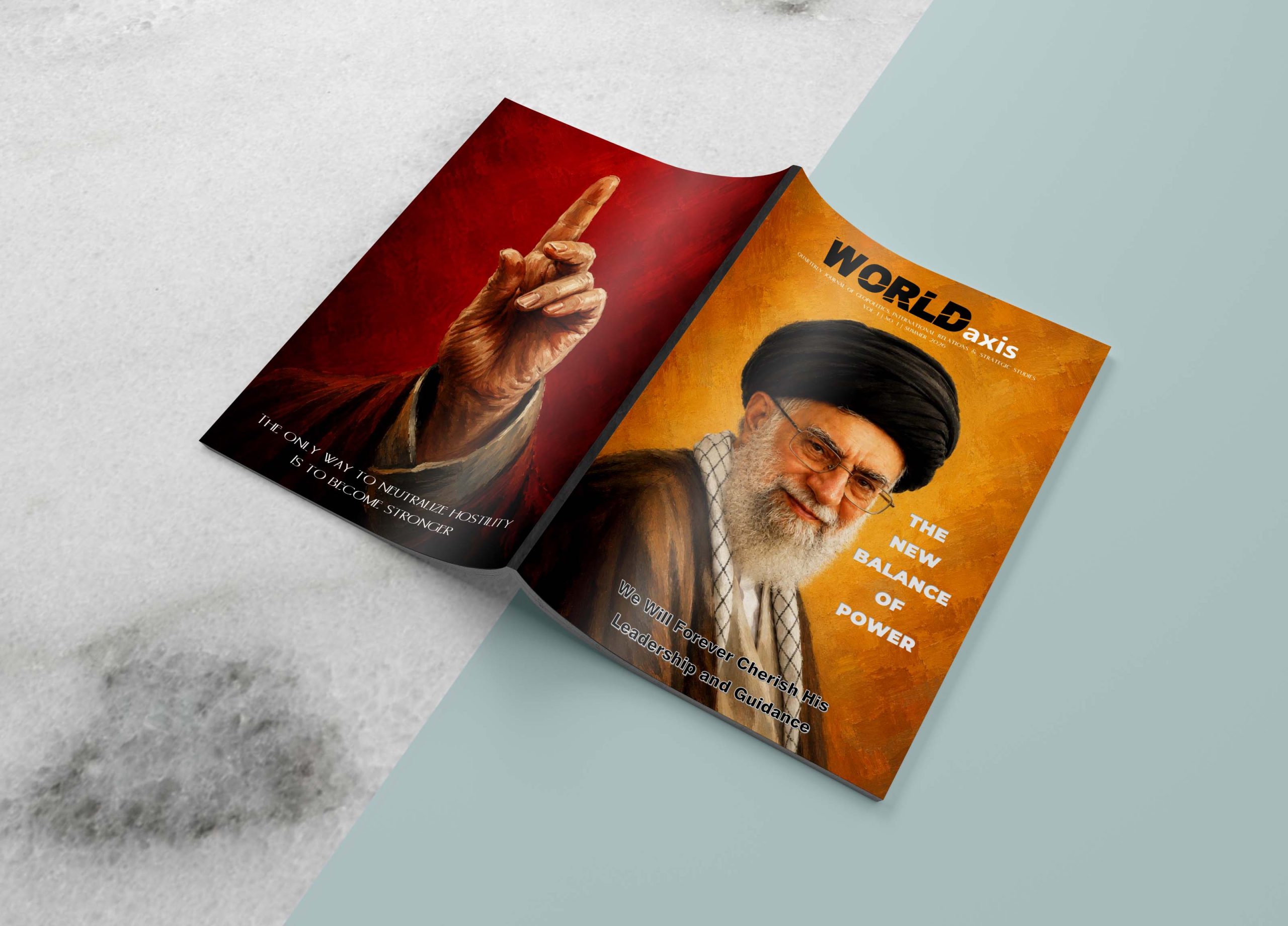
Against this backdrop, the Islamic Republic of Iran, under the leadership of the late Leader of the Revolution, Ayatollah Khamenei, adopted a markedly different strategic trajectory. Rather than limiting his leadership to tactical responses, he sought to establish the long-term foundations of Iran’s post-revolutionary security architecture. Recognizing that genuine national security cannot be achieved through dependence upon external powers, he articulated a doctrine in which resistance became not merely a political slogan, but a comprehensive national security doctrine and a strategic philosophy of state resilience.
The regional and international expansion of the Axis of Resistance remains one of his most enduring legacies. By conceptualizing a strategic framework that connected oppressed nations and movements through shared commitments to justice, human dignity, and resistance against domination, this doctrine evolved into a significant geopolitical reality—one that has altered regional balances of power and amplified previously marginalized voices within global decision-making processes.
Another cornerstone of his strategic thought was the uncompromising emphasis on national independence and strategic self-reliance. He consistently argued that dependence in defense and security affairs ultimately transfers sovereign decision-making to external actors. Consequently, his insistence upon indigenous defense capabilities reflected not economic nationalism alone, but a carefully developed strategic assessment. His objective was to ensure that Iran would remain capable of making independent decisions during moments of national crisis without external coercion influencing its strategic choices.
This commitment to self-sufficiency ultimately proved to be far more than a theoretical aspiration. During the recent military confrontation involving the United States and Israel—whose planners reportedly anticipated the rapid collapse of Iran’s defense infrastructure—they instead encountered an indigenous security architecture capable not only of absorbing strategic shocks but also of delivering a decisive response. The failure of that campaign illustrated the practical significance of strategic autonomy, demonstrating that independent defense capabilities constitute the principal guarantor of national sovereignty and resilience under conditions of sustained external pressure. Iran’s continued advances in sophisticated military technologies despite extensive sanctions further underscore the long-term strategic vision that shaped this approach to national defense.
Beyond Iran, Ayatollah Khamenei occupied a distinctive position throughout the Islamic world that extended beyond conventional political leadership. As a symbol of Islamic unity and collective solidarity, he consistently emphasized cooperation across sectarian and national divisions. His vision held that genuine Islamic revival could only emerge when Muslim societies freed themselves from dependence upon colonial and external powers while organizing around shared interests and common moral principles. His enduring influence across much of the Muslim world reflects a political philosophy that sought to transcend geography and address broader questions concerning justice, sovereignty, and the future of international order.
We Will Forever Cherish His Leadership and Guidance
Alireza Mashoori